
Packing for Medical Devices Manufacturer
Packing for Medical Devices Manufacturer
Medical device packaging is a crucial aspect of ensuring the safety, integrity, and sterility of medical products throughout their lifecycle—from manufacturing to final use. The primary purpose of medical device packaging is to protect products from contamination, physical damage, and environmental factors while maintaining their sterility until they are ready for use.
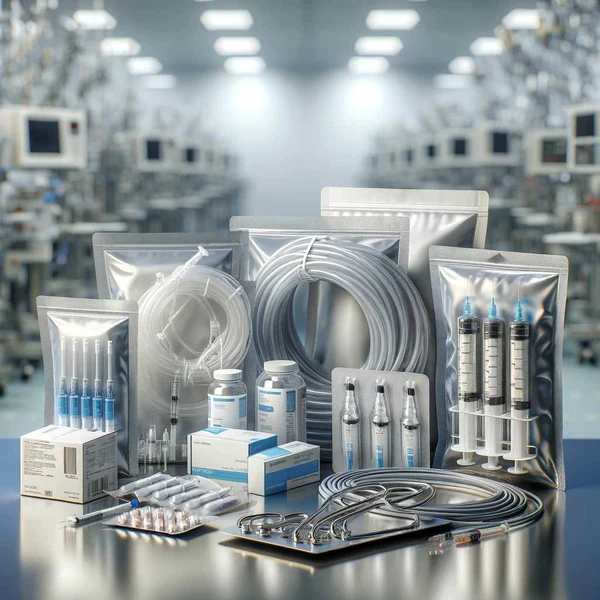
Key Considerations in Medical Device Packaging
Medical devices come in a wide variety of shapes, sizes, and materials, each requiring specialized packaging solutions to meet regulatory standards and ensure patient safety. Some essential considerations include:
Sterility: Maintaining a sterile environment is critical for many medical devices. Packaging must protect the device from contamination until it is opened by the end user, often in a sterile field.
Material Compatibility: The packaging materials need to be compatible with the sterilization methods used (e.g., ETO, gamma, steam). Materials must withstand the sterilization process without compromising the integrity of the packaging or the device.
Protection from Environmental Factors: Medical packaging should offer protection against moisture, oxygen, and UV light, which could potentially degrade the product over time.
Regulatory Compliance: Medical device packaging must meet stringent international standards and regulations, including ISO 11607 and FDA requirements. These standards ensure the packaging is safe, effective, and maintains sterility throughout its intended shelf life.
User-Friendly Design: Packaging should be easy to open in a clinical setting while maintaining the sterility of the device. Considerations like peelable seals or simple tear lines can make a significant difference for healthcare professionals.
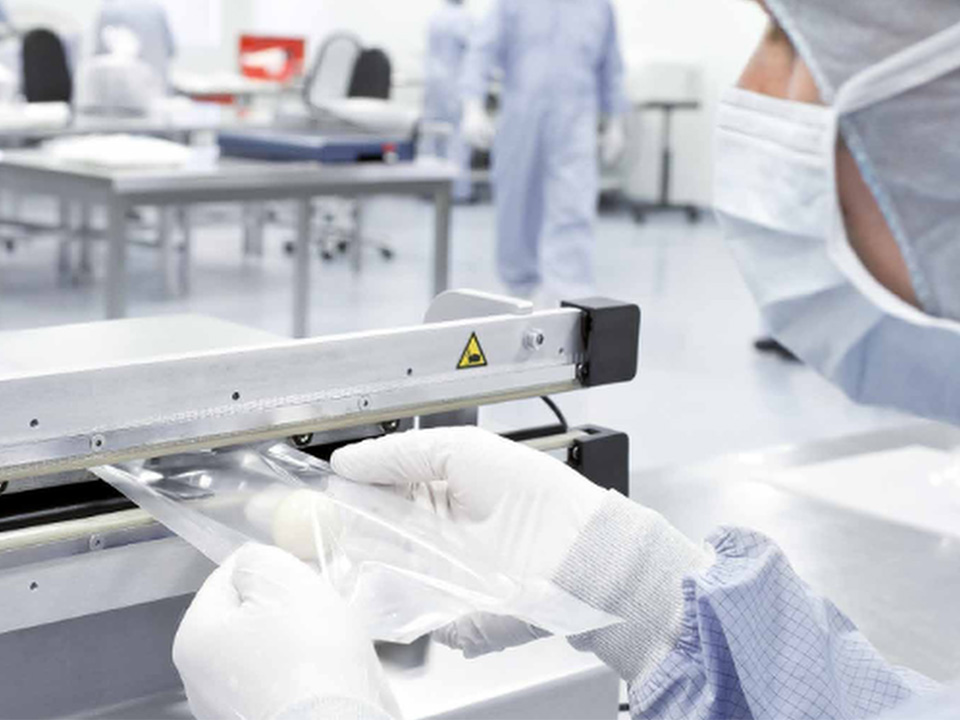
Types of Packaging for Medical Devices
Different types of packaging are used based on the device and its specific requirements:
Blister Packs: Commonly used for single-use medical devices and instruments, blister packs provide a clear view of the product and can be sealed for sterility.
Sterile Barrier Pouches: These pouches are ideal for devices that need to remain sterile until the point of use. They often feature peel-open designs to facilitate easy access.
Rigid Trays: Custom trays are used for larger or more complex devices, especially those used in surgical settings. They protect the device during transport and storage, and can include compartments for additional tools or accessories.
Shrink Wrap and Films: These are used to tightly secure devices in place, protecting them from external elements while allowing for easy inspection of the product.
Importance of Packaging Validation
Validation of the packaging process is crucial to ensure that the medical devices remain sterile and intact throughout transportation and storage. Testing often includes:
- Seal Strength Testing
- Package Integrity Testing
- Aging Tests to simulate long-term storage conditions
Sustainable Packaging Solutions
As the medical industry moves towards more environmentally friendly practices, manufacturers are increasingly seeking sustainable packaging materials that meet the rigorous standards of medical device packaging while minimizing their environmental impact.
In summary, packing for medical devices is a highly specialized process that requires attention to sterility, regulatory compliance, and user convenience. The right packaging not only protects the device but ensures that it can perform as intended, contributing to overall patient safety.