
ETO Sterilization
Ethylene Oxide (ETO) Sterilization
Ethylene Oxide (ETO) sterilization is a critical process widely used in the medical industry to ensure that medical devices and equipment are free from harmful microorganisms. It is particularly effective for sterilizing items that are sensitive to heat or moisture, such as plastic components, electronics, and complex devices that cannot be sterilized by conventional methods like steam.
Here’s a breakdown of the types of medical packaging, the materials commonly used, and the role design plays in creating user-friendly solutions.
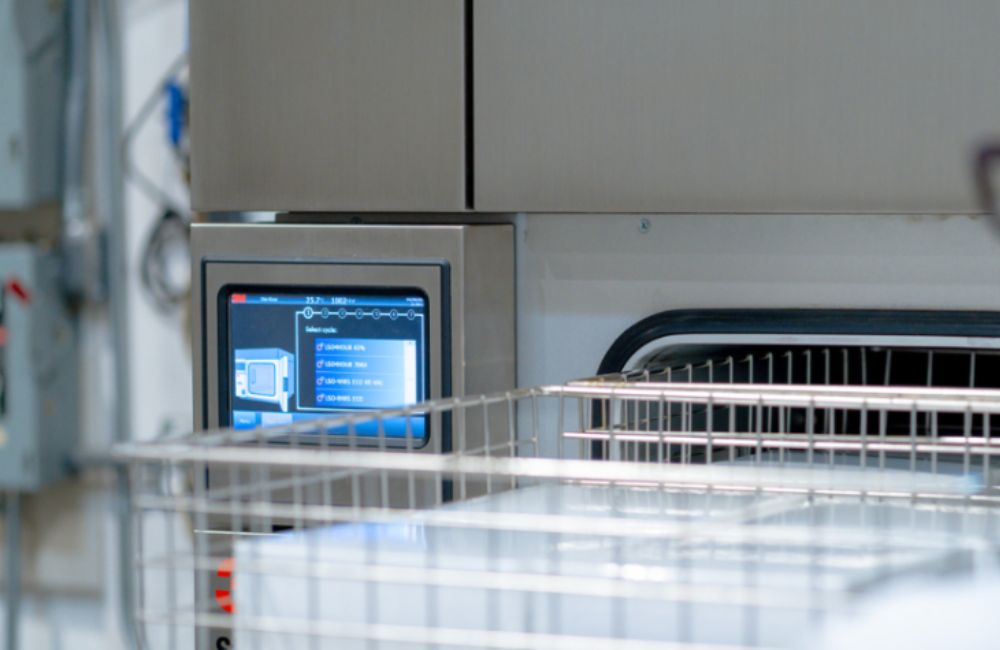
How ETO Sterilization Works
The ETO sterilization process involves exposing medical devices to ethylene oxide gas in a controlled environment. This process ensures deep penetration of the gas into the devices and packaging materials, eliminating bacteria, viruses, fungi, and spores. The sterilization typically occurs in three phases:
- Preconditioning – Devices are exposed to humidity and heat to prepare them for the gas sterilization process.
- Sterilization – Ethylene oxide gas is introduced into a sealed chamber, penetrating the devices and their packaging.
- Aeration – After sterilization, products are subjected to aeration to remove any residual gas, ensuring they are safe for use.
Advantages of ETO Sterilization
- Compatibility with a wide range of materials – ETO can sterilize plastics, electronics, and other materials that are sensitive to heat, making it ideal for complex medical devices.
- Effectiveness – It thoroughly destroys all forms of microbial life, including bacteria, viruses, and spores.
- Penetration – The gas can penetrate packaging materials and device interiors, ensuring even sterilization.
Applications of ETO Sterilization
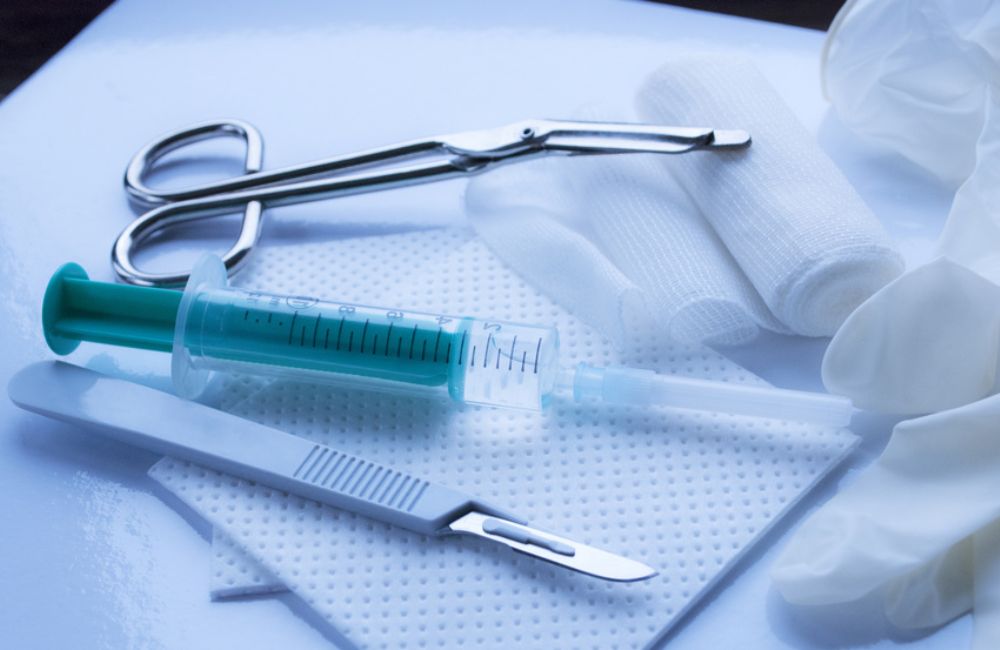
ETO is commonly used for sterilizing a variety of medical products, including surgical instruments, catheters, implantable devices, and single-use medical supplies. Due to its efficiency, it is particularly valuable in sterilizing complex and sensitive equipment.
Regulatory Standards and Safety
Due to its toxic nature, ETO sterilization must be carefully controlled. Regulatory bodies like the FDA and certified with ISO 13485:2016 for Commercial services providers for EO sterilization according to ISO 11135:2014 and Packaging in Cleanroom class VII as per ISO 14644-1:2015 provide strict guidelines to ensure that the sterilization process is safe, and that residual gas is reduced to safe levels after sterilization.
ETO sterilization remains a critical method for ensuring the safety and sterility of medical devices, contributing to improved patient care and safety.